October 5, 2026
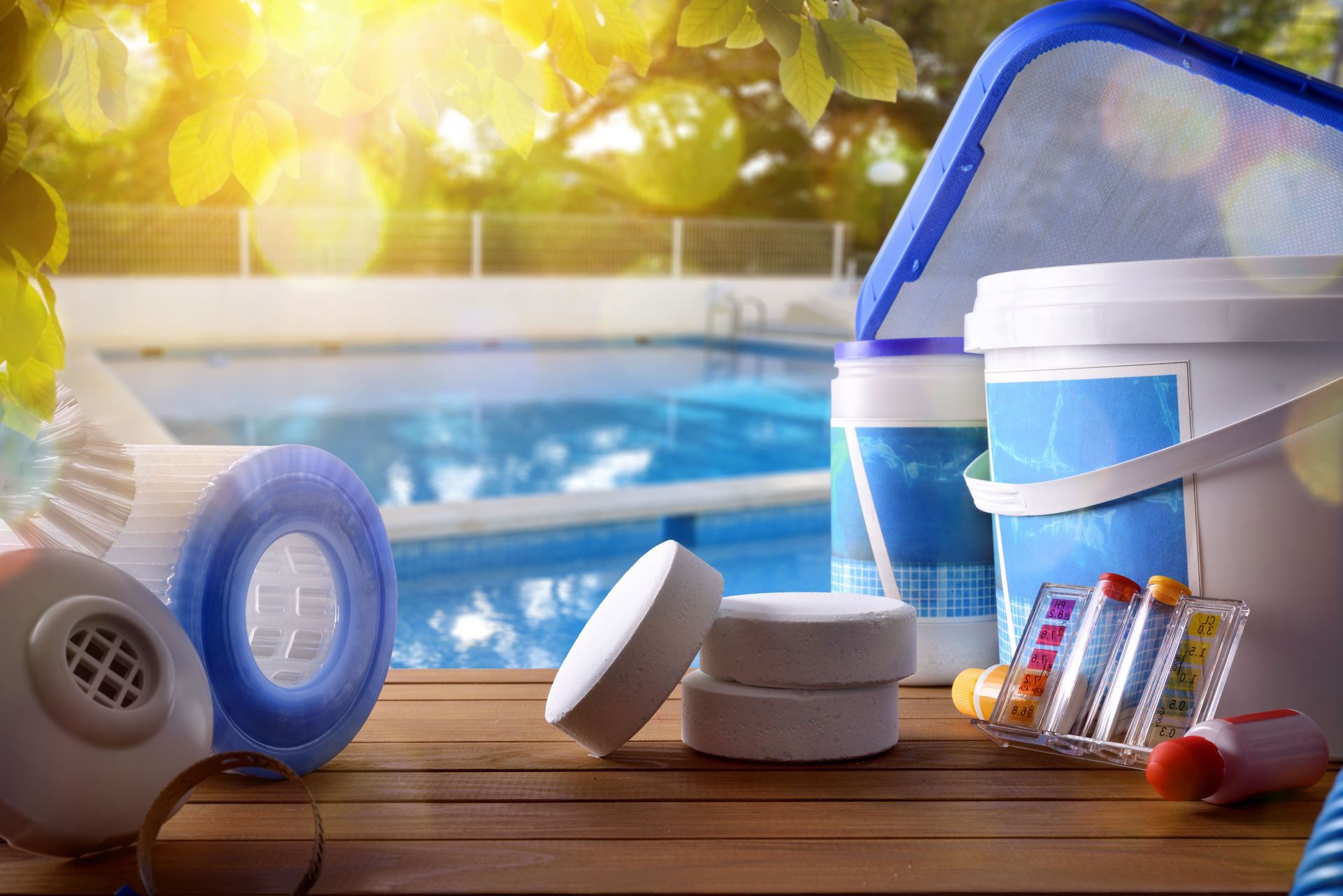
Maintaining clean, clear swimming pool water requires more than removing leaves and brushing the walls. Proper water chemistry plays an essential role in preventing algae growth, minimizing stains, and reducing cloudiness that can make a pool less inviting. When chemical levels become unbalanced, contaminants can accumulate, surfaces may discolor, and sanitizers may become less effective. Regular testing and appropriate chemical treatments help keep pool water balanced while supporting the performance of filtration equipment. For homeowners who want consistent water quality, working with a pool repair company can help identify developing problems and determine which maintenance steps are needed. Water Solutions helps pool owners understand the importance of proper pool care and the role chemical services play in maintaining a cleaner swimming environment.
Maintaining Balanced Water Chemistry
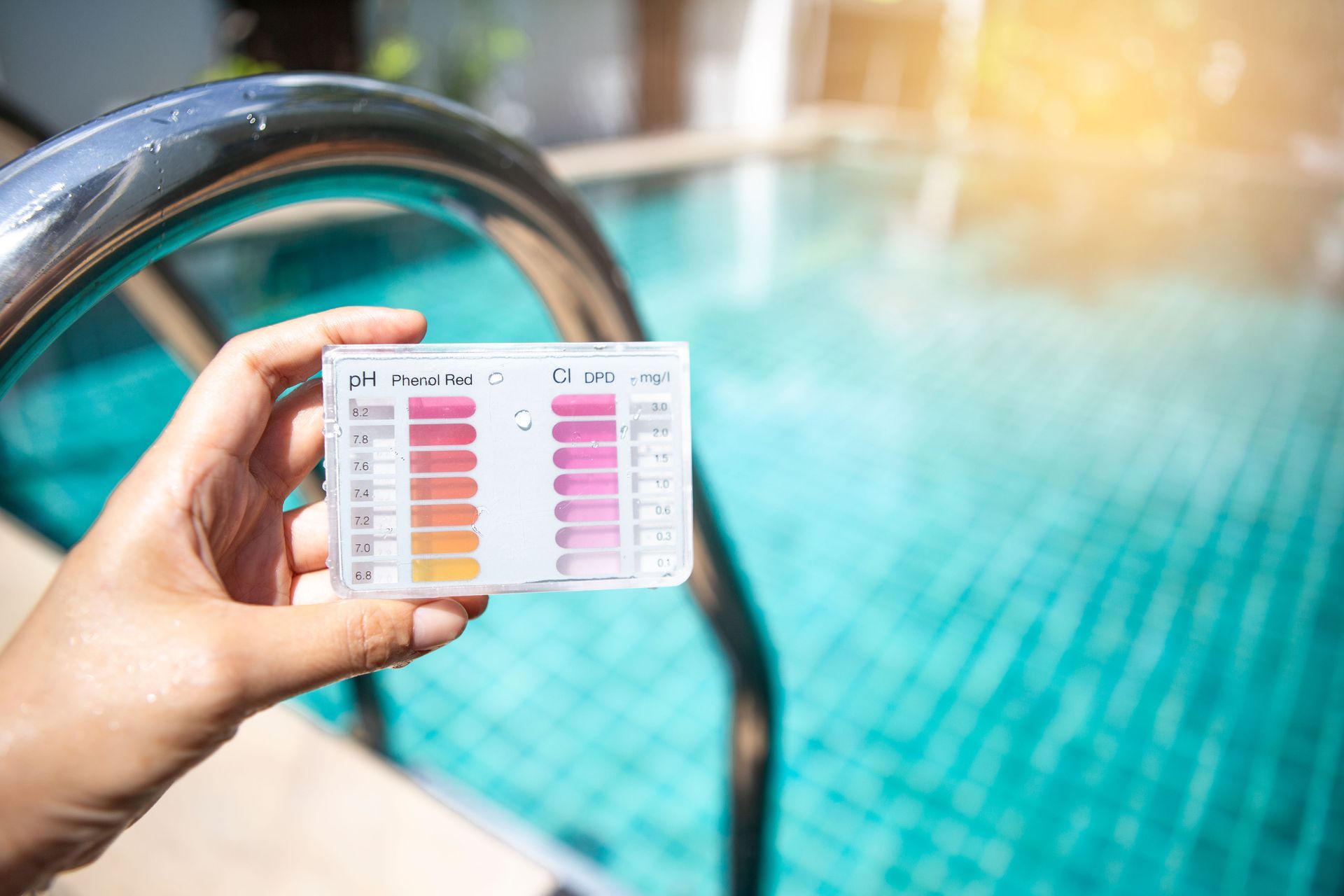
Balanced water chemistry is the foundation of effective swimming pool maintenance. Pool water contains several interacting elements, including chlorine, pH, alkalinity, and calcium hardness, that influence sanitation and overall water quality. When these levels fall outside their recommended ranges, the water may become irritating, corrosive, or more likely to develop visible problems. Chlorine helps control many harmful microorganisms, while pH affects how effectively chlorine performs its sanitizing function. Total alkalinity helps stabilize pH, reducing sudden changes that can complicate chemical management. Calcium hardness also matters because water with unsuitable calcium levels may contribute to scale formation or damage certain pool surfaces. Regular testing allows pool owners to identify imbalances before they develop into more difficult maintenance concerns. A pool repair company can help evaluate test results, recommend appropriate adjustments, and establish a routine that supports consistent water conditions.
Preventing Algae Growth Through Proper Sanitation
Algae can develop quickly when pool sanitation becomes inadequate, particularly during warm weather or periods of heavy use. Green, yellow, or dark patches may appear along walls, steps, floors, and other areas where circulation is limited. These organisms can make surfaces slippery, reduce water clarity, and create additional cleaning demands. Maintaining appropriate sanitizer levels helps control algae before it becomes a widespread problem. However, chlorine alone cannot address every contributing factor because poor circulation, inadequate filtration, and accumulated debris can also encourage growth. Brushing pool surfaces and cleaning filters help remove material that might otherwise support algae development. When algae becomes established, a suitable treatment may be necessary alongside filtration, brushing, and careful water testing. A pool repair company can help determine whether the issue involves chemical imbalance, equipment performance, or a combination of maintenance problems.
Reducing Pool Stains With Consistent Chemical Care
Pool stains can develop when metals, minerals, organic debris, or chemical imbalances interact with the water and pool surfaces. Rust-colored marks may indicate the presence of iron, while blue-green discoloration can sometimes be associated with copper. Calcium deposits may also create rough, pale areas along waterlines, steps, and other surfaces. Identifying the source of discoloration is important because different stains require different treatment methods. Adding chemicals without understanding the underlying cause can sometimes worsen discoloration or damage certain finishes. Regular water testing helps identify conditions that contribute to mineral deposits and metal-related staining. Brushing surfaces and removing leaves or other organic material can further reduce the buildup of substances that leave marks behind. When stains persist, a pool repair company can help assess the problem and determine whether specialized chemical treatment or additional maintenance is appropriate.
Improving Water Clarity Through Effective Filtration
Cloudy pool water can result from suspended particles, inadequate filtration, unbalanced chemistry, or insufficient sanitation. Fine debris may remain in the water when filters are dirty, damaged, or unable to handle the pool's maintenance demands. Poor circulation can also create areas where contaminants accumulate rather than moving through the filtration system. Chemical treatments may help address certain causes of cloudiness, but they cannot compensate for every mechanical problem. For example, clarifying products may help small particles combine into larger ones that a compatible filtration system can capture. However, the appropriate treatment depends on the filter type, water conditions, and manufacturer's instructions. Routine filter cleaning, circulation checks, and chemical testing work together to support clearer water. A pool repair company can investigate persistent cloudiness and determine whether chemical adjustments, filtration maintenance, or equipment repairs are needed.
Supporting Healthier Swimming Conditions With Routine Testing
Routine pool testing helps homeowners understand changing water conditions and make informed maintenance decisions. Testing can reveal whether sanitizer levels are adequate and whether pH, alkalinity, or calcium hardness needs adjustment. These measurements become especially important when temperatures rise, rainfall changes the water balance, or swimmers introduce additional contaminants. According to RubyHome, 36% of children and 15% of adults swim in a pool at least six times per year, highlighting how swimming pools serve as a recreational setting for people of different ages. Consistent sanitation and maintenance help pool owners prepare their water for regular use rather than waiting until visible problems develop. Testing frequency should reflect pool usage, weather conditions, sanitizer type, and the manufacturer's recommendations. Accurate test results also help prevent unnecessary chemical additions that could create further imbalances. A pool repair company can assist with interpreting test results and developing a maintenance routine suited to the pool's specific needs.
Protecting Pool Equipment Through Proper Chemical Balance
Water chemistry affects more than appearance because unbalanced conditions can also influence the lifespan and performance of pool equipment. Water that is too acidic may contribute to corrosion of susceptible metal components and damage certain pool finishes. Excessive calcium hardness, particularly when combined with unsuitable pH and alkalinity, can encourage scale formation on surfaces and equipment. Deposits may interfere with circulation, reduce heating efficiency, or increase cleaning requirements. Maintaining appropriate chemical levels helps limit these risks while supporting the operation of pumps, heaters, filters, and other components. Pool owners should also watch for unusual noises, reduced circulation, visible leaks, or changes in equipment performance. Chemical balancing cannot correct mechanical failures, so equipment concerns may require separate inspection and repairs. When water quality and equipment problems occur together, a pool repair company can help identify the contributing factors and determine which maintenance measures should be prioritized.
Establishing Consistent Seasonal Pool Maintenance
Seasonal maintenance helps prepare swimming pools for changing temperatures, weather conditions, and patterns of use. During warmer months, higher temperatures and increased sunlight can affect chlorine levels and create conditions that encourage algae growth. Heavy rainfall may dilute chemicals, introduce debris, and alter the water's pH or alkalinity. Leaves, pollen, dust, and other environmental contaminants can also increase the workload for filtration systems. Testing the water more frequently during changing conditions helps homeowners identify imbalances before they become harder to manage. Cleaning baskets, brushing pool walls, checking filters, and maintaining appropriate circulation provide additional support for water quality. Before periods of reduced use, homeowners should follow appropriate maintenance recommendations rather than allowing sanitation and filtration to lapse completely. Water Solutions can help pool owners establish consistent care practices and determine when professional chemical services or equipment evaluations may be beneficial.
Maintaining clear, comfortable swimming water requires attention to chemical balance, sanitation, filtration, and equipment performance. Algae, stains, and cloudy water can have different causes, so identifying the underlying issue is an important part of choosing the right treatment. Regular testing and preventive maintenance help address developing problems before they require more extensive corrective work. Water Solutions provides pool care support to help homeowners understand their water conditions and maintain their swimming environments. Contact us today to discuss your pool maintenance needs and learn how professional chemical services can help keep your pool cleaner, clearer, and ready for enjoyment.