August 7, 2026
Owning a swimming pool comes with ongoing maintenance responsibilities that help keep it safe, efficient, and enjoyable. Addressing small issues before they become larger problems can help reduce repair costs and extend the life of your pool. According to Vyansa Intelligence, small pools (less than 15,000 gallons) grabbed 45% of the market. Understanding the warning signs of pool problems can help you determine when it is time to schedule professional service, including local pool repair when needed.
1. Visible Pool Problems
Identify Cracks
Cracks can develop for several reasons, including changing temperatures, ground movement, aging materials, and normal wear over time. Environmental conditions and shifting soil may place additional stress on the pool structure, while years of regular use can gradually contribute to surface deterioration. Recognizing these factors can help pool owners identify potential issues before they become more extensive and require local pool repair.
Understand Crack Types
Not every crack indicates the same level of concern. Hairline cracks may affect only the surface, while larger structural cracks can allow water to escape and lead to additional damage. Surface deterioration may also appear as small networks of cracks or flaking finishes, making it important to evaluate changes before they become more serious.
2. Persistent Water Loss
Identify Water Loss
Some water loss is expected from evaporation and regular pool use, but noticeable drops that continue over several days may indicate a leak. Monitoring changes in water level can help distinguish normal fluctuations from issues that require further investigation. Scheduling professional service when water loss continues can help identify whether local pool repair is necessary.
Recognize Water Loss Causes
Water loss may result from structural cracks, plumbing leaks, damaged equipment, or worn seals. Identifying the source early helps reduce unnecessary water loss and may prevent additional damage to the surrounding pool system. A proper evaluation can determine which components require attention and which solutions are appropriate.
Confirm Pool Leaks
Determining whether a pool has a leak begins with evaluating water loss patterns and inspecting the pool's structure and plumbing. When water loss exceeds what would normally be expected from evaporation, professional leak detection can help locate the source accurately. Finding the cause allows repairs to be completed more efficiently and helps protect the pool system.
Specialized testing methods allow technicians to identify leaks in plumbing lines, fittings, or the pool structure while minimizing unnecessary disruption. Finding and repairing leaks early can help prevent additional damage and reduce unnecessary water loss. Professional leak detection is an important step when ongoing water loss affects pool performance.
3. Malfunctioning Pool Equipment
Review Pool Equipment
Pool systems rely on several key components, including pumps, filters, heaters, salt systems, and robotic cleaners. Each plays an important role in supporting water circulation, filtration, and overall pool performance. Properly functioning equipment helps maintain consistent operation and supports ongoing pool care.
When equipment is properly maintained, it can help promote cleaner water and more consistent operation. Routine inspections and timely repairs also help identify worn components before they affect the rest of the system. Addressing equipment concerns early can help maintain the overall condition of the pool.
Be Aware of Equipment Issues
Unusual noises, reduced water circulation, inconsistent heating, visible leaks, or declining water clarity may indicate equipment problems. Recognizing these warning signs early can help prevent more extensive repairs and reduce unnecessary downtime. Professional evaluations can help determine whether equipment service or local pool repair is needed.
Address Equipment Problems
Equipment issues can develop gradually or appear without warning, making regular inspections an important part of pool maintenance. Changes in water circulation, unusual noises, inconsistent heating, or visible leaks around equipment may indicate that service is needed. Identifying the source of the problem helps determine the appropriate solution.
Replace Aging Equipment
Some equipment can be repaired successfully, while older or heavily worn components may benefit from replacement. Frequent breakdowns, declining performance, or outdated systems may all indicate that replacing equipment is a practical long-term solution. Evaluating the condition of each component helps pool owners make informed maintenance decisions.
4. Worn Pool Surfaces
Review Pool Surfaces
Swimming pools are built with a variety of surface materials, including plaster, fiberglass, tile, and vinyl. Each material has different maintenance needs and may show signs of wear differently over time. Understanding the characteristics of your pool surface helps identify when repairs or maintenance may be necessary.
Recognize Surface Damage
Surface deterioration may appear as discoloration, rough areas, flaking, stains, or visible cracks. As surfaces continue to wear, they can become less comfortable for swimmers and more susceptible to additional damage. Identifying these warning signs early allows repairs to be addressed before conditions worsen.
Understand Surface Issues
Pool surfaces naturally experience wear from regular use, changing weather conditions, and chemical exposure. Improperly balanced water chemistry and inconsistent maintenance may also contribute to surface deterioration over time. Understanding these contributing factors can help pool owners make informed maintenance decisions.
Restore Damaged Surfaces
Repair options depend on the condition of the pool surface and the extent of the deterioration. Smaller issues may only require localized repairs, while widespread wear may make resurfacing or renovation the more appropriate solution. A professional assessment can help determine which service best addresses the condition of the pool.
5. Unbalanced Water Quality
Identify Cloudy Water
Cloudy or discolored water may result from poor filtration, unbalanced water chemistry, algae growth, or equipment issues. Heavy rainfall, increased pool use, and debris can also affect water clarity. Identifying the underlying cause is the first step toward restoring healthy water conditions.
Assess Water Quality
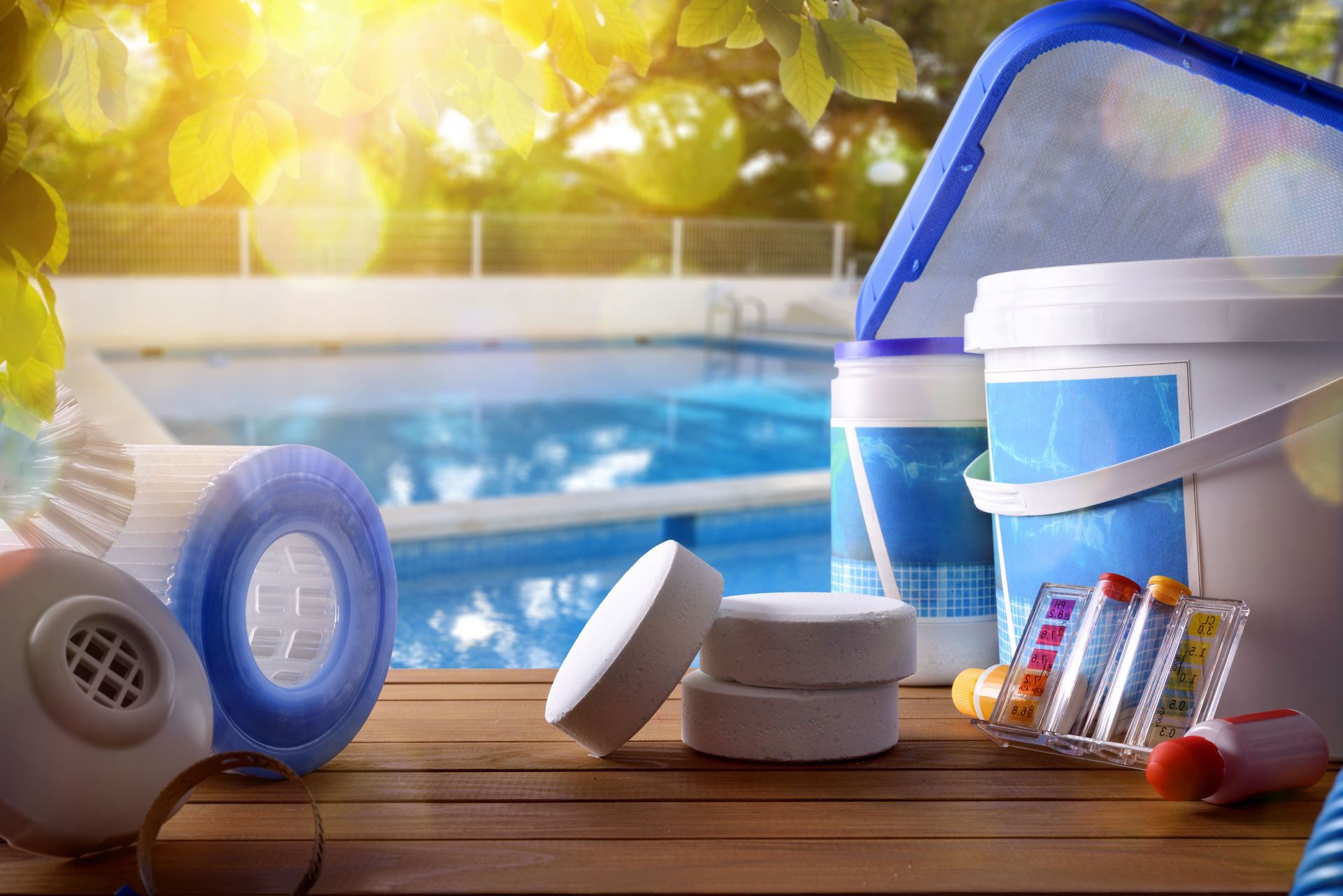
Regular water testing helps monitor chlorine, pH, alkalinity, and other important water chemistry levels. Visual inspections for discoloration or reduced clarity also provide valuable information about overall pool conditions. Consistent monitoring helps identify changes before they become larger concerns.
Restore Water Clarity
Improving water clarity begins by identifying the underlying cause of discoloration or cloudiness. Water testing, chemical balancing, filtration performance, and equipment inspections all play a role in restoring healthy pool conditions. Addressing each contributing factor helps support cleaner and more balanced water.
Check Filtration Systems
Routine inspections of pumps and filters help support proper circulation and water clarity. Cleaning filters and servicing equipment as needed allows the filtration system to operate efficiently while reducing the likelihood of larger mechanical problems. Regular attention to filtration components helps maintain better pool conditions.
6. Recurring Algae Growth
Identify Algae Types
Several types of algae can develop in swimming pools, including green, black, and mustard algae. Each variety may appear differently and require a different treatment approach. Identifying the type of algae helps determine the most effective solution for restoring water quality.
Recognize Algae Causes
Algae often develop when water circulation, filtration, or chemical balance becomes compromised. Warm temperatures, direct sunlight, and organic debris can also contribute to algae growth. Addressing these conditions helps reduce recurring problems and supports cleaner pool water.
Treat Algae Growth
Persistent algae typically requires more than a single treatment. Water testing, chemical balancing, filtration improvements, and thorough cleaning all work together to restore healthy pool conditions. Professional evaluation can help determine the most appropriate treatment plan based on the condition of the pool.
Support Water Circulation
Consistent water circulation helps filtration and sanitation systems work more effectively. Pumps, filters, and other equipment all contribute to moving water throughout the pool, helping reduce conditions that encourage algae growth. Maintaining proper circulation supports overall pool cleanliness and water quality.
Professional inspections, routine maintenance, leak detection, equipment repairs, water testing, and pool renovations can all help maintain a cleaner, more enjoyable swimming environment. If your pool is showing signs of damage or performance issues, Water Solutions offers the services needed to address concerns and support long-term pool care. Learn more about how professional pool services can help keep your system operating properly throughout the season.